
Notable Nonprofits: Worcester Center for Crafts
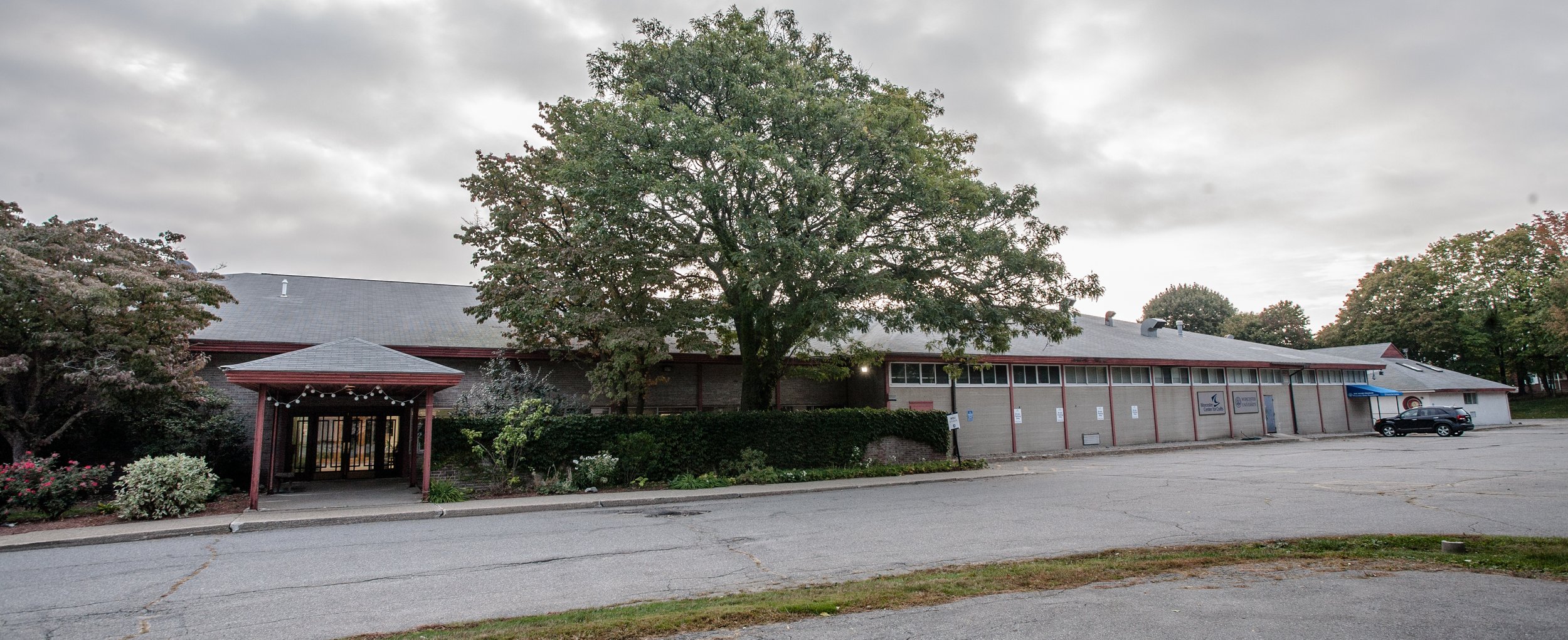
Credit: Worcester Center for Crafts
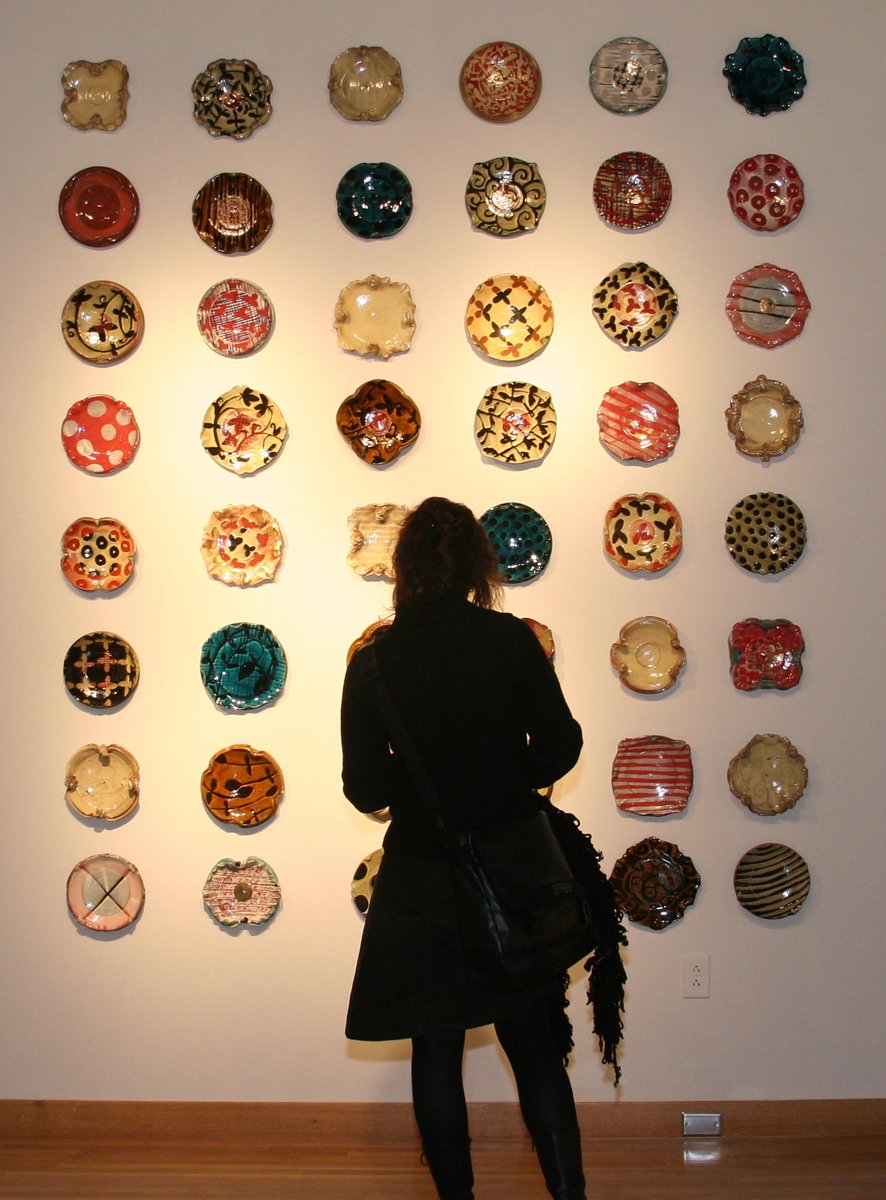
Previous Gallery Exhibition in Krikorian Gallery
Credit: Worcester Center for Crafts
For more than 160 years, the Worcester Center for Crafts has been a place where creativity, community, and craftsmanship come together in meaningful ways. What began in 1856 as an organization helping immigrant women support their families through handmade work has grown into one of the oldest and most respected nonprofit craft education centers in the country. Today, the Center continues to welcome people of all ages and experience levels into its vibrant studios, offering hands-on opportunities in ceramics, glass, metals, fiber arts, photography, and more. In this conversation, the team behind Worcester Center for Crafts shares the history, heart, and community impact that continue to shape this remarkable creative space in Central Massachusetts.
Life in Mass (LIM): For readers discovering the Worcester Center for Crafts for the first time, how would you describe your mission and the role you play in the Worcester community?
Worcester Center for Crafts (WCC): Our mission is to inspire and build a creative community through the promotion, appreciation, and teaching of craft. In practice, that means we are a place where anyone, regardless of age, background, or skill level, can come and make something with their hands. We offer classes and workshops in ceramics, glass, metals, fiber arts, printmaking, photography, and more. We host exhibitions, festivals, and events that celebrate craft artists and welcome the entire community. We are also a resource: a 26,000-square-foot facility that has served Worcester County for over 167 years, and one of the only spaces in Central Massachusetts dedicated entirely to hands-on craft education.
LIM: The Center has such a rich creative atmosphere. What inspired the founding of the organization, and how has it evolved over the years?
WCC: The Worcester Center for Crafts was founded in 1856, making us the oldest nonprofit craft education organization in the United States. We started as the Worcester Employment Society, created to help immigrant women produce and sell handcrafted wares to support their families. Craft was a means of survival and dignity. From those roots, we evolved into New England's leading center for craft education, exhibition, and entrepreneurship. In the 1950s, we built our facility on Sagamore Road, the first community center in America designed specifically for craft education. Today we serve over 25,000 people annually and offer more than 175 community classes each year, but the founding spirit is still very much present: craft as a pathway to empowerment, connection, and livelihood.
LIM: Your studios span so many different art forms, from ceramics and glass to metals and fiber arts. What makes hands-on craft education so meaningful today?
WCC: There is something irreplaceable about making something with your own hands. In an increasingly digital world, the act of shaping clay, fusing glass, or stitching fiber connects us to something ancient and deeply human. Craft education is also inherently embodied, you learn by doing, by failing, by trying again. That process builds patience, problem-solving, and confidence in ways that are hard to replicate elsewhere. We have also seen, through our work with underserved populations, that craft can be genuinely therapeutic. It reduces stress, provides focus, and gives people a sense of accomplishment. Whether a student is learning for the first time or deepening a lifelong practice, the act of making something and doing it well has a real and lasting impact.
LIM: How do you help make the arts approachable for someone who may feel intimidated trying a class or workshop for the first time?
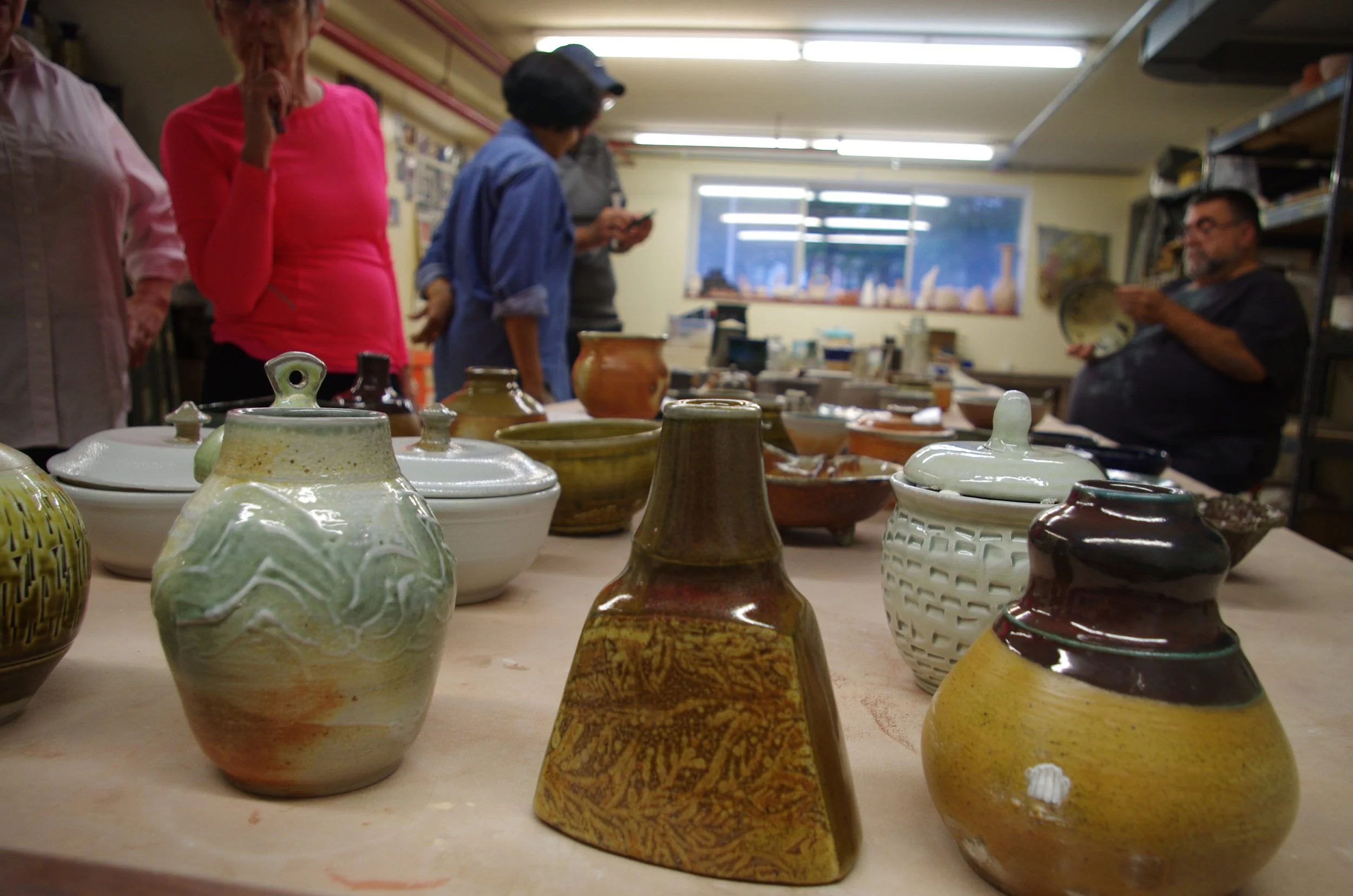
Ceramics Department/Class
Credit: Worcester Center for Crafts
WCC: We work very hard to make sure everyone feels welcome the moment they walk through our doors. Our classes are designed for all ability levels, from absolute beginners to advanced practitioners, and our instructors are skilled at meeting students where they are. We also offer free public programs, our monthly HandCraft Bash events, for example, are drop-in, low-pressure, hands-on experiences open to everyone at no cost. These events have been a wonderful entry point for people who want to try something before committing to a full class. We offer scholarships for those who face financial barriers, and we partner with community organizations to bring programming to people who might not otherwise find us. We want craft to feel like it belongs to everyone, because it does.
LIM: What are some of the most popular classes or workshops people are gravitating toward right now?
WCC: Ceramics remains perennially popular, and our metalsmithing and glass programs draw both beginners and serious artists. Our youth summer intensives have also seen tremendous growth, we doubled our youth summer offerings for 2025, and doubled our offerings again in 2026, currently running 4 simultaneous programs per week. There is also growing interest in programs that blend disciplines: our STEM in Craft series, for example, teaches scientific principles through glasswork, metalsmithing, and fiber arts, and it has resonated strongly with families and young people.
LIM: The instructors at the Center come from such diverse artistic backgrounds. What do you look for when bringing instructors into your community?
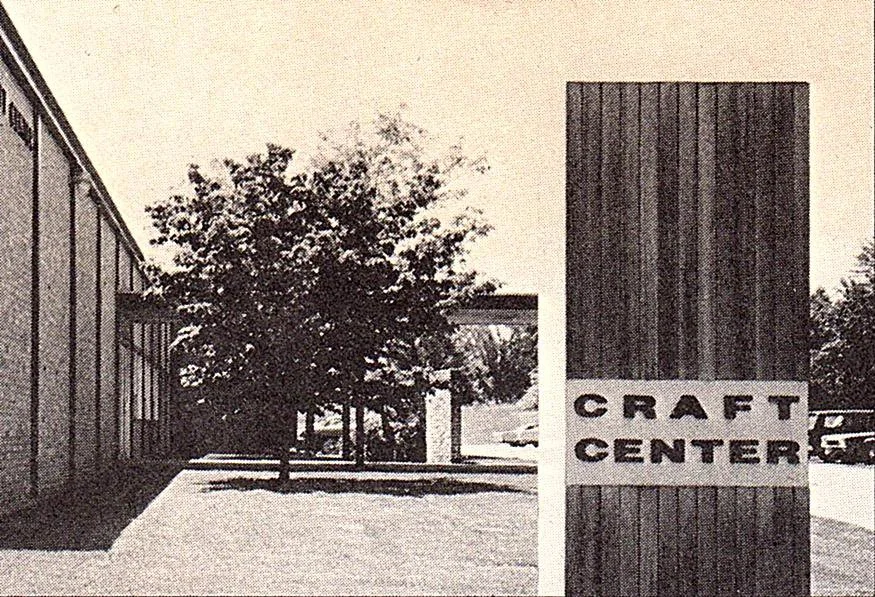
Historic Photo of Front of Facility
Credit: Worcester Center for Crafts
WCC: We look for people who are both accomplished craft artists and genuinely committed to teaching. Our instructors need to be masters of their medium, but more than that, they need to be able to share that knowledge with patience, respect and generosity across all skill levels. We also value instructors who reflect the diversity of our community. We want students to see themselves in the people teaching them. We have a strong Artist-in-Residence (AIR) program that brings emerging post-baccalaureate artists into our ceramic program and we will be looking to bring AIR into glass, metals and multimedia studios in the near future. These artists receive studio space, critiques, teaching opportunities, mentorship, and a show in our Krikorian Gallery. AIR hone their skills, develop their professional practice, and bring fresh creative energy into the Center and contribute to our teaching community.
LIM: Can you share a memorable story about a student or participant whose experience at the Center really stayed with you?
WCC: One story I carry with me always is that of a twelve-year-old boy from Afghanistan who came to us under the most heartbreaking of circumstances. He and his seventeen-year-old brother had escaped their country during a period of terrible turmoil, while the rest of their family was left behind. Two boys, navigating a strange country, without their parents, the older one doing his best to care for the younger. They were referred to us by the attorney working to help their family.
The younger boy loved art. That was the one constant he carried with him across everything he had lost. So we offered him a scholarship in ceramics.
What happened over the following months was something I will never forget. We watched him grow, not just in skill, but in himself. The studio became a place where he could breathe, focus, and simply be a kid who was good at something. Craft gave him a language when words were hard, a sense of accomplishment when so much felt uncertain, and a community when he had so little of one. He used the work for healing, for coping, and for forward motion.
That is what this place can do. And that is why we show up every day.
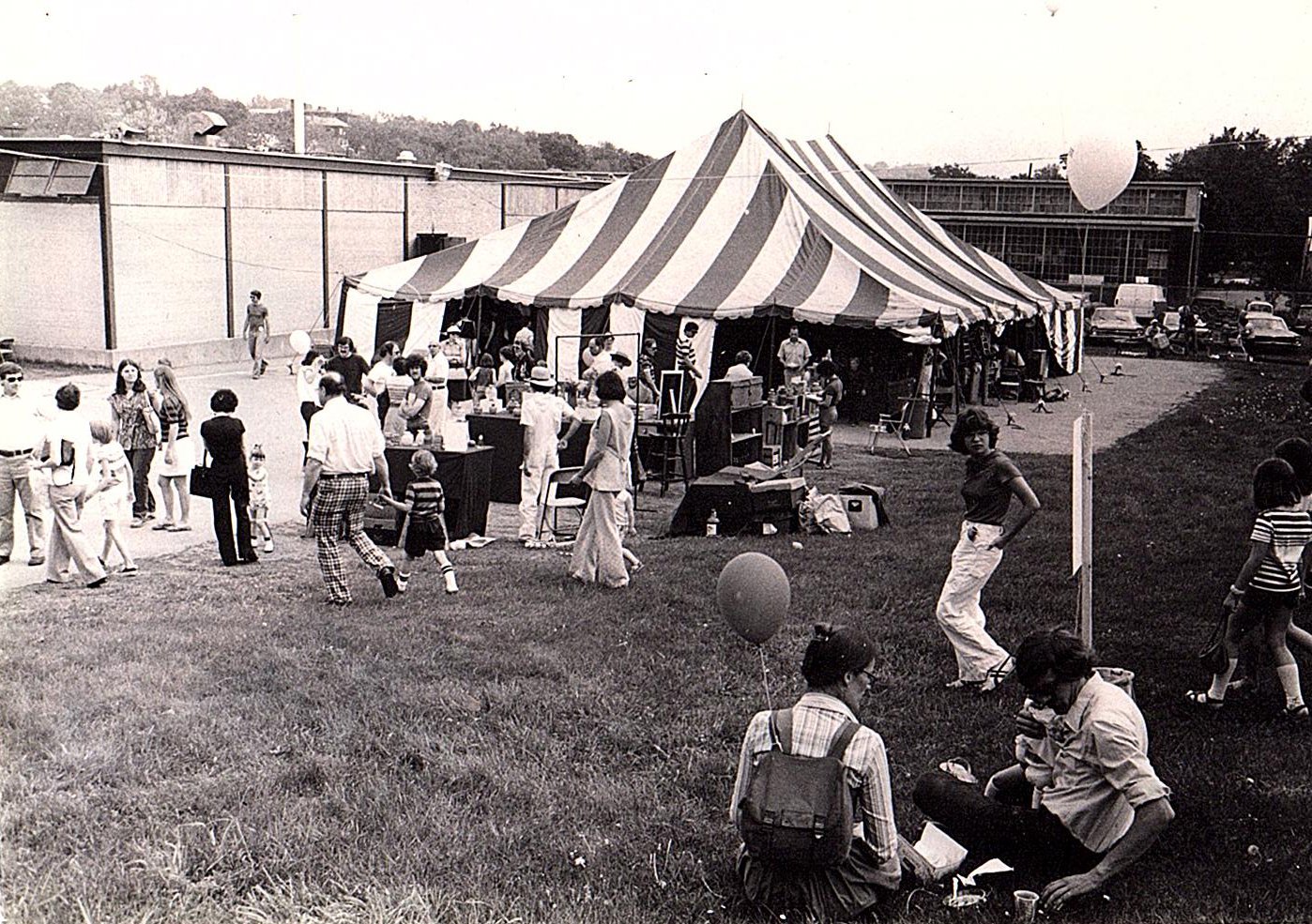
Arts Festival
Today it has evolved into our Annual Hot Night in the City Arts Festival (July 17, 2026 from 4-9pm this year!)
Credit: Worcester Center for Crafts
LIM: Creativity can be deeply healing and empowering. Have you seen art-making positively impact people's confidence, mental health, or sense of connection?
WCC: Absolutely- and this is something we see directly in our work with underserved populations. Through our partnerships with other local non-profits and schools, we have offered craft classes for women and families who have experienced domestic violence and financial hardship. These folks come in carrying enormous weight, and over the course of a session, many experience genuine transformation, finding focus, joy, and community. Research from the Brown Center on Education supports what we see firsthand, that participation in the arts is linked to greater civic engagement, increased social tolerance, and improved wellbeing. For youth in particular, the impact is striking. When a young person creates something with their own hands and then sees it celebrated in a gallery exhibition, something shifts. Self-worth grows. We have no doubt that these experiences are, for many participants, genuinely life-changing.
LIM: Diversity and inclusion are clearly important values for your organization. How do those principles shape your programs, outreach, and community partnerships?
WCC: They shape everything. We actively work to ensure that cost, ability, language, and geography are never barriers to participation. We offer scholarships, fee waivers, and free public programs. We partner with organizations including Seven Hills Foundation, Worcester Refugee Assistance Program, the YWCA, the Central Massachusetts Housing Alliance, and Burmese Catering to reach communities that have been historically underserved in the arts. We have hosted programming for immigrants and refugees, adults with disabilities, and youth from financially challenged households. Our facility is fully ADA-accessible, with ramps, accessible restrooms, Braille signage, and push-open doors throughout. And we are continuously working to make our leadership and teaching staff more reflective of Worcester's diverse population.
LIM: Worcester has a vibrant and growing arts scene. How does the Center collaborate with or contribute to the broader creative community in Massachusetts?
WCC: We see ourselves as an anchor institution for the arts in Central Massachusetts, and we take that responsibility seriously. We collaborate with the Worcester Cultural Coalition, Discover Central Mass, New England Botanic Garden at Tower Hill, Fuller Craft Museum, and many local arts organizations. Our annual Hot Night in the City Arts Festival, free and open to the public, draws over 3,000 people each summer and features more than 70 art vendors, live music, and live craft demonstrations. We have hosted shows in partnership with Valley CAST, the Blackstone Valley Art Association, and the Northeast Felters Guild, among others. We also regularly rent our gallery to local artists and organizations, including Worcester Public School art teachers and Clark University's MFA program, helping to extend the reach of our facilities across the creative community.
LIM: For someone visiting the Center for the first time, what do you hope they feel the moment they walk through the doors?
WCC: I hope they feel welcome and a little bit inspired. When you walk into our building, you are surrounded by evidence of making, work in progress, finished pieces on display, the sounds and smells of active studios. We want people to feel the energy of a place where creativity is happening constantly. And we want them to immediately sense that this is a place for them, not just for professional artists, not just for people with experience, but for anyone who has ever wanted to make something. Curiosity is all you need to walk in. We'll take care of the rest.
LIM: What are some of the biggest challenges nonprofits focused on arts education are facing right now?
WCC: Funding is perennially challenging, arts education is often underfunded relative to its demonstrated impact on communities. Facility maintenance is a real and ongoing concern for organizations like ours with older buildings: we have been working systematically to replace aging HVAC systems, upgrade our gallery lighting, and maintain the infrastructure that makes quality programming possible. Workforce is another challenge, attracting and retaining skilled craft instructors and administrative staff requires competitive compensation that is not always easy to sustain on a nonprofit budget. And we are always working to expand our reach to populations who could benefit from what we offer but may not yet know we exist.
LIM: How does community support, whether through memberships, donations, volunteering, or simply attending classes, help sustain your mission?
WCC: Every form of support matters enormously. Tuition and enrollment revenue is the backbone of our operations. When people sign up for classes and workshops, they are directly funding our ability to offer those programs. Donations and grants allow us to extend scholarships, maintain our facility, and develop new programming that might not be self-sustaining right away. Our Board of Directors collectively contributes to the organization, and that culture of giving helps set the tone for community investment. Volunteers and interns, including college students from institutions like Pratt, MassArt, Clark, and Boston University, bring talent and energy to our youth programs and events. And our HandCraft Shop supports working craft artists by providing a market for their work. Every dollar spent, every class taken, every event attended, it all adds up to keeping this place thriving.
LIM: Are there any upcoming exhibits, events, or workshops you're especially excited about this year?
WCC: There is so much happening. We are particularly excited about Hot Night in the City Arts Festival on July 17, 2026, our annual indoor/outdoor festival featuring over 70 art vendors, live music and dance, and live craft demonstrations in metals, ceramics, glass, and enameling, and two gallery openings. It is free and open to the public and one of the most joyful events in our calendar. We are also looking forward to our Holiday Festival of Crafts in November, a beloved, juried marketplace featuring over 60 fine craft artists. And our Summer Youth programs are expanding, with 8 weeks of programming in metal, glass, fiber, film and much more.
LIM: What surprises people most once they become involved with the Worcester Center for Crafts?
WCC: I think what surprises people most is the depth and breadth of what we offer. Many people expect a small community art center and are astonished to find a 26,000-square-foot facility with fully equipped, professional-grade studios in ceramics, glass, metals, fiber, printmaking, photography, and more. They are surprised by the quality of the instruction and the seriousness of the artistic community here. And they are often surprised by how quickly they feel at home. People come for one class and stay for years, that is something we hear again and again. The Center has a way of becoming part of people's lives.
LIM: In a world that's increasingly digital, why do you think people continue to crave hands-on creative experiences?
WCC: Because we are, at our core, physical beings. Screens are extraordinary tools, but they cannot give you the sensation of clay yielding under your hands, or the satisfaction of seeing a piece of glass fuse and transform in a kiln. There is a growing hunger for tangibility, for making something real that you can hold, use, give as a gift, or display in your home. There is also something about the focused, present-moment quality of craft that offers relief from the constant stimulation and fragmentation of digital life. People come to our studios and find a kind of peace in the making. In that sense, craft is almost countercultural right now and that is part of why it is thriving.
LIM: If you could leave Massachusetts residents with one message about the value of local arts nonprofits and creative spaces, what would it be?
WCC: Places like the Worcester Center for Crafts are irreplaceable and they exist because communities choose to sustain them. We have been here since 1856, not by accident, but because generation after generation of Worcester and Mass residents has recognized that creativity is essential to a good life and a healthy community. Arts nonprofits are where people discover new talents, find community, heal from hardship, and pass craft traditions on to the next generation. They are not luxuries. They are part of the foundation of who we are as a community. Please support them — with your presence, your dollars, and your advocacy. We are here for you.
At its core, the Worcester Center for Crafts is about far more than learning artistic techniques — it is about connection, healing, self-expression, and creating a sense of belonging through making. Whether it is a child discovering confidence through clay, a newcomer finding community through art, or a lifelong maker refining their craft, the Center continues to prove that creativity has the power to change lives. As Worcester’s arts scene continues to grow, spaces like this remain an essential part of the community’s cultural fabric, reminding us all that making something by hand still matters deeply in a fast-moving digital world.
Worcester Center for Crafts
Website · Facebook · Instagram
508-753-8183