
Credit: Berkshire Bounty
There’s something special about a community that looks out for its neighbors, and Berkshire Bounty is a wonderful example of just that.
Based in Berkshire County, this nonprofit is working to make fresh, nutritious food more accessible to local families through food rescue, partnerships with local farms and businesses, and an incredible network of volunteers. What began ten years ago with a group of friends picking apples from neighborhood trees has grown into an organization rescuing hundreds of thousands of pounds of food each year and helping feed neighbors throughout the Berkshires.
We had the opportunity to chat with the team at Berkshire Bounty about their mission, the growing need for food assistance in the region, the importance of supporting local agriculture, and the many ways community members can get involved. Read on to learn more about the work they're doing and how a little community spirit can go a long way!
Life in Mass (LIM): For people who may not be familiar with Berkshire Bounty, can you tell us a little about your organization and what inspired its creation?
Berkshire Bounty (BB): Berkshire Bounty brings people together to help good food reach our neighbors throughout the Berkshires who need it most. As food insecurity rates are higher than ever before - through food rescue, food purchasing, delivery, and local partnerships - we work to make fresh, nutritious food more accessible across our community.
Berkshire Bounty started 10 years ago with a simple idea. Our founders gathered some friends, and they went around to other friends’ homes who had apple trees. They picked the fruit and delivered to a food pantry. They collected around 8,000 lbs of apples. The organization has grown to collecting 750,000 lbs of food from 28 sites including grocery stores, local farms, and institutions, and delivering that food to 34 Feeding Assistance Programs across all of Berkshire County.
LIM: Your mission focuses on advancing community food security through food rescue and delivery. What does food security look like in the Berkshires today?
BB: 45% of Berkshire County residents are food insecure. Feeding Assistance Programs are feeding hundreds more families than they were originally set up for. The high cost of food, seasonal jobs, surges in utilities, high price of gas in a rural community, instability from the pandemic, and changes in Federal policies has led to food pantries no longer being safety-net emergency food sites, they are now a way of life for many families in our region.
LIM: Berkshire Bounty rescues surplus food from local retailers and farms. What happens to that food once you pick it up, and where does it ultimately go?
Credit: Berkshire Bounty
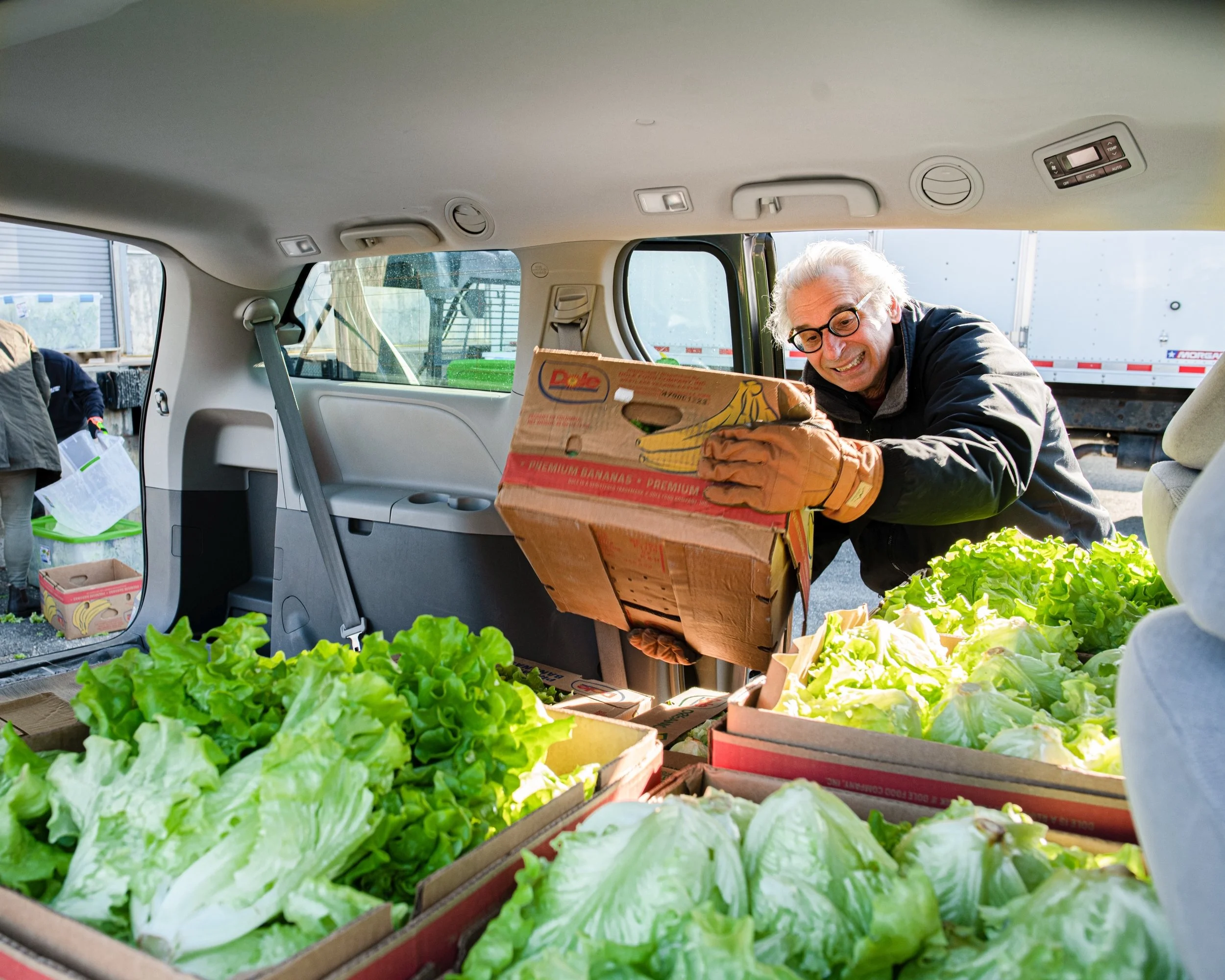
BB: Food comes into the network through several channels: donations from retailers and institutions, local harvests and gleaning, and food purchased specifically to address needs identified by community partners. Berkshire Bounty then works with volunteers and partner organizations to help that food reach local food-access sites and neighbors throughout Berkshire County.
LIM: You work with a wonderful network of local farms, retailers, food pantries, schools, senior centers, and other organizations. What makes those partnerships so important to your work?
BB: This is truly community supporting community. The generosity of food donors and the tireless dedication of food pantry staff and volunteers ensures our community feels nourished.
LIM: Your Farm to Food Access program connects locally grown food with people who need it. What do you love about bringing together local agriculture and food access?
BB: Farm to Food Access is a win-win program. Not only does it bring fresh, healthy food to people who need it, it supports our regions local food economy, putting money in the pockets of our small local farmers. This program was originally funded by a Federal grant that was cancelled by the current administration. Berkshire Bounty and our collaborative partner Berkshire Grown believe in this program and the benefits it brings, and have continued it through our own fundraising.
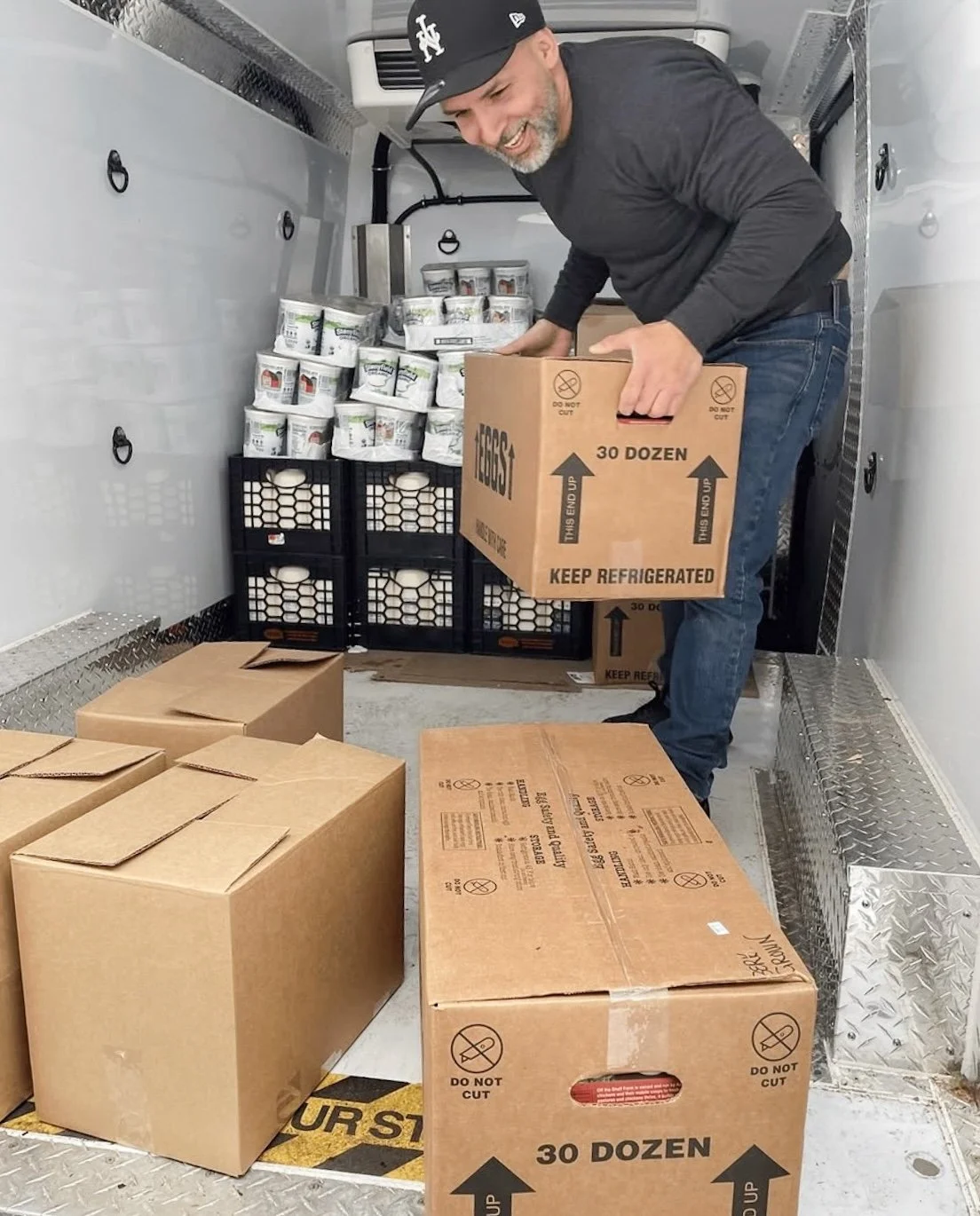
LIM: You also purchase food, including fresh produce, meat, dairy, eggs, and culturally appropriate foods, to fill gaps in what is available. How do you determine what food is most needed?
BB: We are in regular communication with the 34 Feeding Assistance programs we work with, and we have a close relationship with the Food Bank of Western Massachusetts. Feeding Assistance programs fill out a reporting form each quarter that helps determine needs, and we conduct a bi-annual survey in partnership with the Food Bank of Western Massachusetts asking specific questions about gaps. A large part of our food purchase budget is on products that are not available to food pantries through other channels.
Credit: Berkshire Bounty
LIM: Volunteers are such an important part of Berkshire Bounty. What are some of the different ways people can get involved?
BB: Volunteers are the heart and soul of Berkshire Bounty. Nothing we do would be possible without them. Berkshire Bounty relies on volunteers to help keep food moving throughout the Berkshires. Whether you have a few hours or want to get involved regularly, there are plenty of ways to help.
Weekly food rescue routes
Farm harvests + gleaning
Special distribution events
On-call opportunities
As a small nonprofit, we are also always welcoming of skills-based volunteering including graphic design, data analysis, legal support, and more.
LIM: For someone who has never volunteered with Berkshire Bounty before, what might a typical day of volunteering look like?
BB: For small collection opportunities, or direct service home delivery, typically volunteers are using their own vehicle. For larger collection opportunities, volunteers will drive our vehicles, and should be able to lift 40 lbs. Farm harvesting and gleaning looks like crisp Berkshires mornings in beautiful locations picking food. Special distribution events looks like collective action, working with community members to pack food boxes or bags.
LIM: What are some of the biggest challenges facing food access in Berkshire County right now, and what do you wish more people understood about food insecurity in our community?
BB: A grocery budget stretched too thin. A parent making sure the kids eat first. A neighbor wondering how they’ll put dinner on the table tomorrow. Food insecurity doesn’t always look the same, but it affects people throughout the Berkshires every day. Access to fresh, nutritious food can mean one less difficult choice - and a little more security for our neighbors.
LIM: Finally, for Berkshire County residents who want to help strengthen food security in their community, what are some simple ways they can get involved, whether through volunteering, donating, or supporting local food systems?
Berkshire Bounty is powered by people throughout our community – volunteers who give their time, farms and businesses that share food, partners who help distribute it, and donors who make the work possible.
VOLUNTEER
Pick up food. Harvest at local farms. Pack boxes.
Make deliveries. Lend a hand at special events.
Every hour helps keep good food moving.
Your gift helps rescue, purchase, transport, and deliver nutritious food throughout Berkshire County. Every dollar helps put more good food into our community.
Berkshire Bounty's story is a reminder that meaningful community change doesn't always start with a big idea or a grand plan. Sometimes, it starts with a few friends, a handful of apple trees, and a desire to help a neighbor.
Today, that same spirit of generosity is helping put fresh, nutritious food on tables throughout Berkshire County. Whether it's volunteering a few hours, supporting a local farm, making a donation, or simply spreading the word, there are plenty of ways to become part of the effort.
We're grateful to the team at Berkshire Bounty for taking the time to share their story with us and for the important work they do for their community
Berkshire Bounty
Website · Facebook · Instagram · Donate
(413) 591-2239