
Notable Nonprofits: Pollinator Pathway
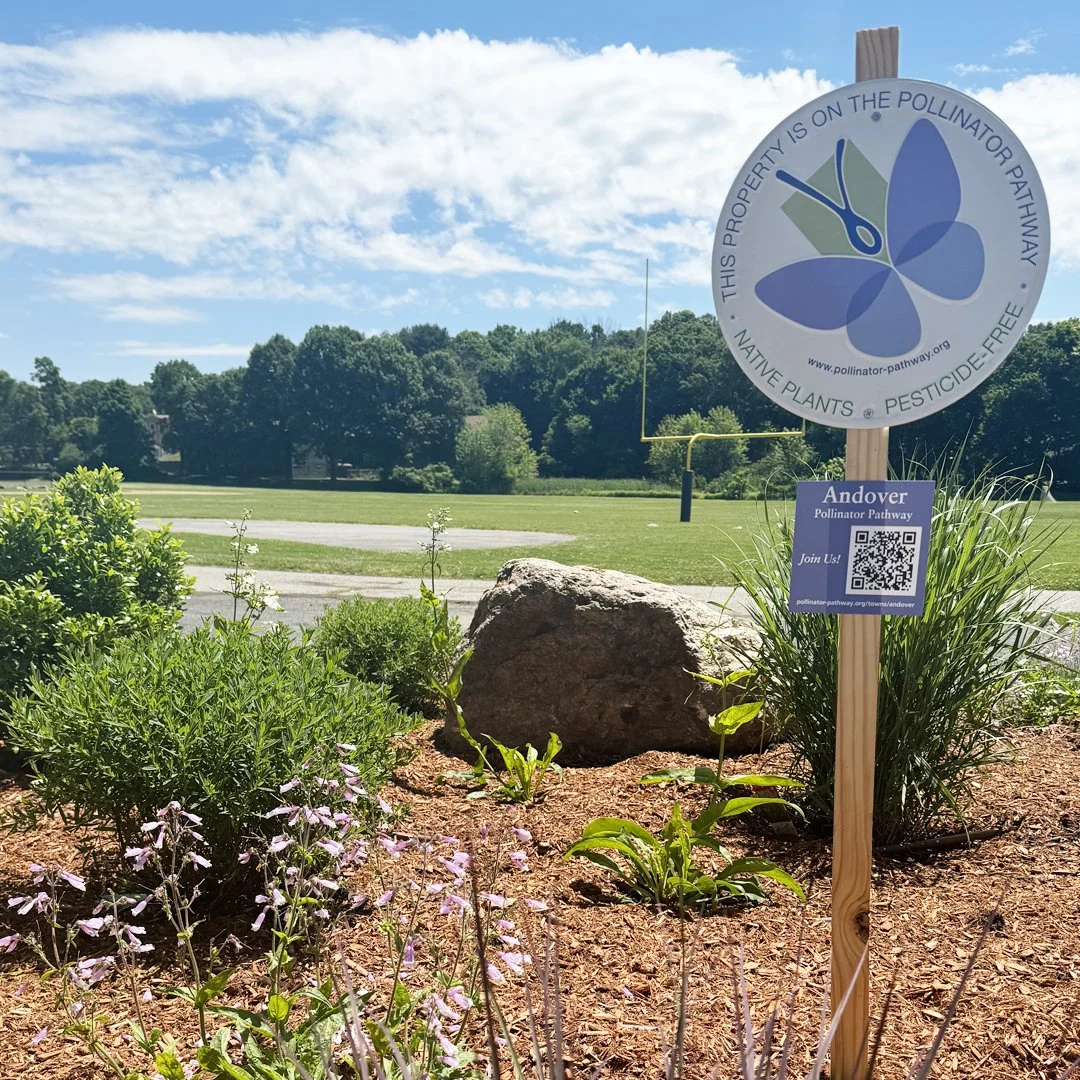
Credit: Andover Pollinator Pathway
From neighborhood gardens to community parks, small changes can create a big impact for the environment.
That’s the inspiring idea behind Pollinator Pathway, a growing movement focused on restoring habitats for bees, butterflies, moths, and other essential pollinators through the power of native plants and community connection. What began as a local effort in Connecticut has blossomed into a nationwide initiative, with communities across Massachusetts embracing the vision of pesticide-free, pollinator-friendly spaces. We recently spoke with Jana Hogan at Pollinator Pathway about their mission, the challenges facing pollinators today, and how everyday residents can help create healthier, more resilient landscapes right here in the Bay State.
Life in Mass (LIM): For readers who may be discovering Pollinator Pathway for the first time, how would you describe your mission and what inspired its creation?
Pollinator Pathway (PPW): Pollinator Pathway’s mission is to restore habitat for pollinators by connecting private and public lands with native plants. It started in one Connecticut town when a small group realized that fragmented habitats were a major problem—and that individuals, working together, could create meaningful ecological change across entire communities.
LIM: The idea of creating “pollinator pathways” is such a beautiful concept. Can you explain what that means in simple terms?
PPW: In simple terms, it’s a connected corridor of pesticide-free, native plant habitats—yards, parks, schools, and roadsides—that provide food and shelter for pollinators as they move through a landscape.
LIM: What are some of the biggest challenges pollinators like bees, butterflies and moths are facing today, and why should everyday people care?
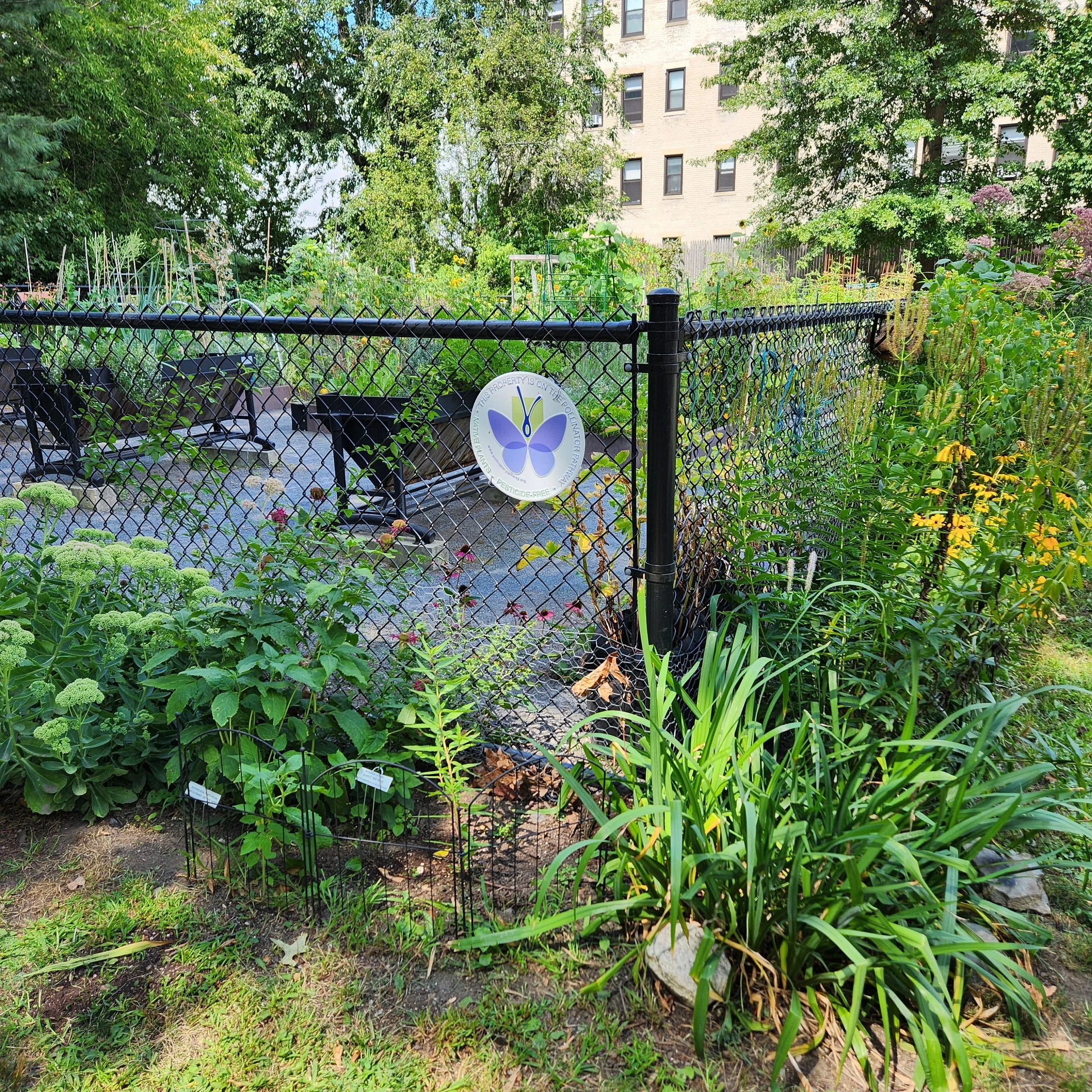
Credit: Brookline Pollinator Pathway
PPW: Pollinators are facing habitat loss, pesticide exposure, climate change, and competition from invasive plants. People should care because pollinators are essential to ecosystems and our food supply—about one-third of what we eat depends on them.
LIM: Your work focuses on connecting habitats across communities. We love that! What makes that connectivity so important for pollinators?
PPW: Even if you have a beautiful pollinator garden, it doesn’t help much if it’s isolated. Pollinators need continuous access to food and habitat. By connecting spaces, we make it possible for them to survive and thrive across larger areas.
LIM: Pollinator Pathway has grown into a national movement with projects in hundreds of town. What has fueled that growth?
PPW: The growth has been fueled by grassroots energy. People want to do something tangible and positive for the environment, and this is an accessible, hopeful way to take action—right in their own communities.
LIM: One of the things people love is that anyone can participate. What are some simple ways a homeowner or renter can get started, maybe in a suburban or urban environment?
PPW: Start small: plant a few native species, reduce or eliminate pesticide use, and rethink part of your lawn. Even containers on a balcony can support pollinators. Every bit of habitat helps.
LIM: For someone who’s never thought twice about their lawn, how can small changes, like planting native species or reducing pesticides, make a real difference?
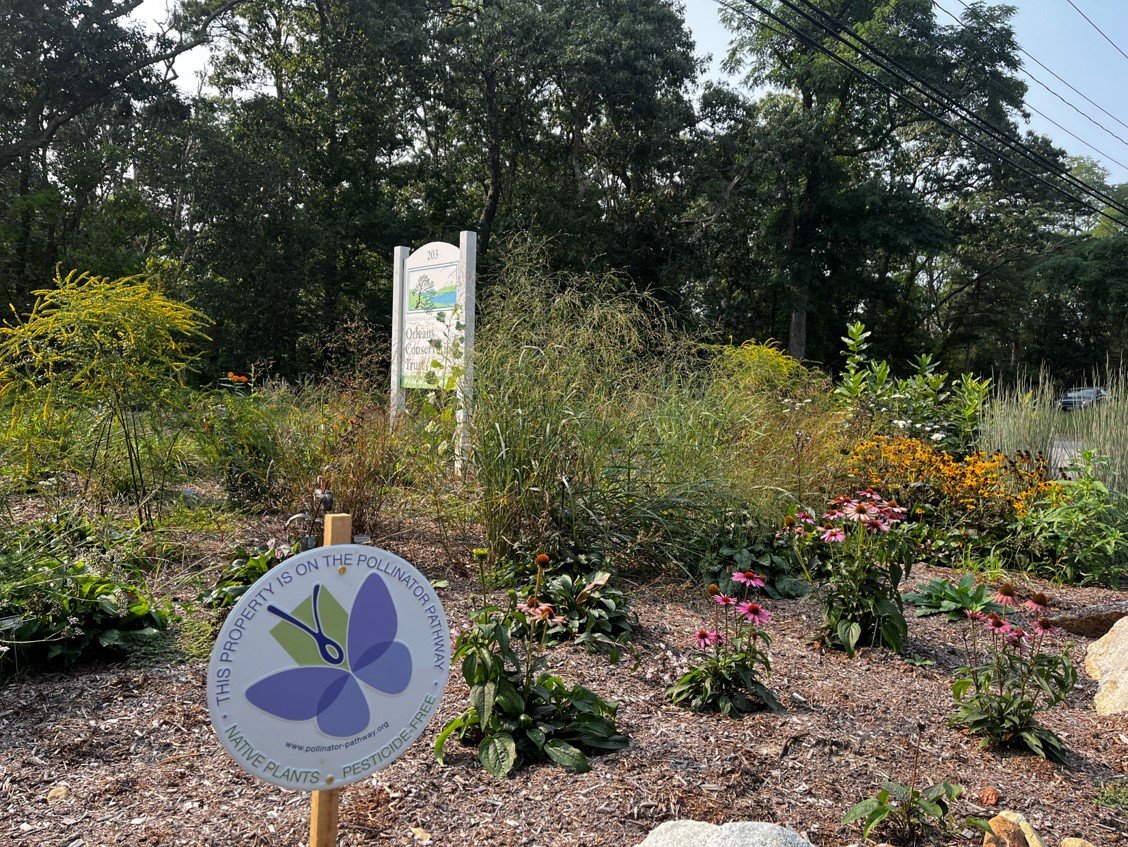
Credit: Cape Cod Pollinator Pathway
PPW: Lawns don’t provide food for pollinators. Replacing even a small section with native plants creates real habitat. Reducing pesticides protects the insects we’re trying to support. These small shifts add up quickly when many people participate.
LIM: Are there any misconceptions people have about pollinator-friendly yards that you’d love to clear up?
PPW: One big misconception is that pollinator gardens are messy or hard to maintain. In reality, they can be beautiful, intentional, and easier to care for over time. Another is that you have to do everything at once—you don’t.
LIM: What role do volunteers and local community groups play in making a Pollinator Pathway successful?
PPW: They’re everything. Local leaders organize efforts, build partnerships, share knowledge, and inspire others. This is truly a community-driven movement.
LIM: Can you share a favorite success story or transformation you’ve seen from a community that embraced the pathway concept?
PPW: One of the most powerful moments is when someone says their garden inspired a neighbor to start planting natives. That ripple effect—one yard becoming two, then a whole street—is how pathways are built.
LIM: How has the Pollinator Pathway movement taken shape here in Massachusetts specifically?
PPW: Massachusetts has embraced the model with strong participation from local organizations, municipalities, and individuals. There’s a real appetite for climate and biodiversity solutions, and Pollinator Pathway fits naturally into that. Visit inspiring Massachusetts Pathways.
LIM: Are there any unique environmental challenges in Massachusetts that make this work especially important?
PPW: Like much of the Northeast, Massachusetts faces intense development pressure, habitat fragmentation, and the spread of invasive species. Climate change is also shifting growing conditions, making resilient, native landscapes even more important.
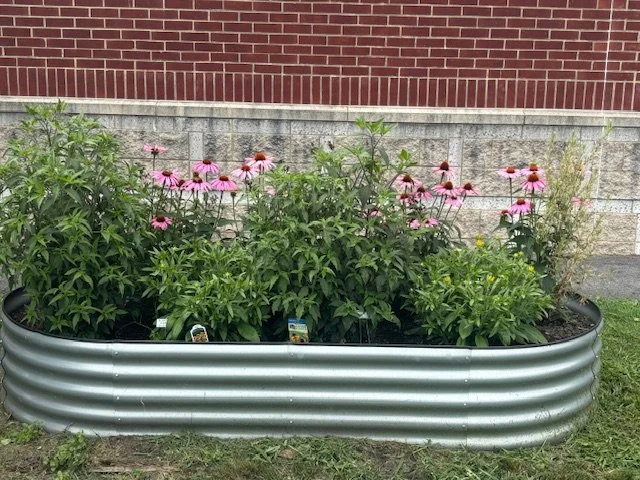
Credit: Plymouth Pollinator Pathway
LIM: What are some native plants that thrive in Massachusetts and are especially beneficial for pollinators?
PPW: Some great options include milkweed, bee balm, coneflower, goldenrod, asters, and native shrubs like serviceberry and viburnum. Native trees are also incredibly important—species like oak, maple, birch, and black cherry support hundreds of pollinator and caterpillar species. These plants together provide critical food sources across the growing season. The Native Plant Trust and Garden in the Woods are amazing resources.
LIM: How can Massachusetts residents adapt the Pollinator Pathway concept to their own spaces?
PPW: Start where you are—whether it’s a backyard, school garden, or small urban space. Focus on native plants, avoid pesticides, and connect with neighbors or local groups to expand the impact.
LIM: Looking ahead, what is your vision for Pollinator Pathway’s impact across Massachusetts communities over the next few years?
PPW: The goal is to see connected habitat networks across entire regions—where pollinator-friendly landscapes become the norm, not the exception. In Massachusetts, that could mean town-by-town pathways linking together into a truly resilient ecological corridor.
As Pollinator Pathway continues to grow across Massachusetts, its message remains refreshingly simple: meaningful environmental change can start right outside your door. Whether it’s planting a few native flowers, reducing pesticide use, or inspiring neighbors to join in, every action helps create a stronger network for pollinators and a healthier ecosystem for everyone.
A big thank you to Pollinator Pathway for sharing their story and reminding us that even the smallest gardens can become part of something much larger.
Find Pollinator Pathway
Website · Facebook · Instagram
(833) 233-6648